

Few things derail a busy workday quite like dropped video calls, endless loading screens, or printing jobs that hang in digital limbo. If your office Wi-Fi struggles to keep up, the problem usually comes down to using residential hardware for commercial demands. Upgrading your setup makes all the difference.
USA Computer Services Blog
If you walked into the headquarters of some of the fastest-growing small businesses today, you might not see rows of desktop towers, a reception desk, or a dedicated server room.
For a long time, running a business meant buying heavy computer hardware and leasing office space just to house it. Today, tying your operations to physical real estate and local servers limits your flexibility and creates unnecessary expenses.
Modern companies are moving away from traditional office setups entirely. Here is how you can run a flexible, fully mobile workforce without sacrificing security or operational control.
Every technology provider has a list of core values plastered on their website. They love using words like efficiency, innovation, and speed. While we use these outcomes as much as anyone, I want to be completely candid about the real boundary line in modern IT. Right now, there is a constant conflict happening between security and convenience.
Convenience demands fewer clicks, shorter passwords, bypassed logins, and instant access to everything from any device. Security requires verification, data encryption, strict access parameters, and deliberate authentication checks. When these two forces collide, our engineering team operates under a strict rule: security wins over convenience every single time. This core mindset guides every decision we make when we work with our clients.
You know if you skip too many oil changes, it's going to cause long-term damage to your car, so why would you skip network maintenance?
Think about how most businesses handle their vehicles. You don't wait for the engine to seize up on the highway before you decide to look under the hood. You handle the oil changes, you check the brakes, and you rotate the tires. You do it because a broken-down van means missed deliveries, angry customers, and a massive, unexpected repair bill.
Yet, when it comes to technology, so many businesses run the engine until it literally smokes.
When was the last time you consulted your team members about a planned technology change or investment? Never, right? Instead, you look at the metrics, balance the various return on investment figures, and determine whether to invest in a new platform.
However, a mere three months later, your entire team has largely abandoned the new platform and reverted to how things were done before. As frustrating as this situation is, it helps reveal a key issue: You and your team have different perspectives and priorities.
For decades, Wikipedia has been the internet’s Old Reliable—the human-vetted gold standard for facts. But a high-stakes clash between veteran editors and the Open Knowledge Association (OKA) has just exposed a glitch in the Matrix: a surge of AI-generated hallucinations that threaten to poison the well of public knowledge.
What began as a noble quest to translate the world’s encyclopedia has morphed into a cautionary tale about the high cost of cheap information.
Even if you’re doing everything right, business cybersecurity is a challenge. Mistakes are common. Passwords are forgotten, and physical buttons can go missing. That said, there is one form of authentication that you can’t help but have with you: yourself.
Biometrics have been experiencing a surge in popularity as a means of authentication. Let’s explore why that is.
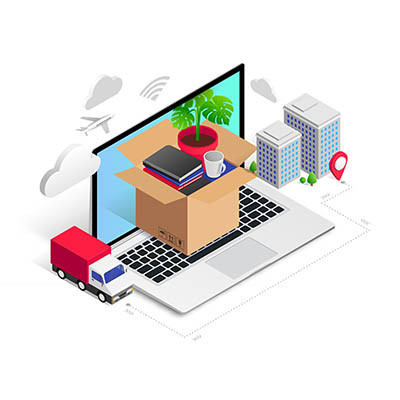
Relocating your office is a major milestone, but treating your IT infrastructure like just another box of supplies is a recipe for a Monday morning meltdown. The difference between a seamless transition and a week of lost productivity often comes down to early planning. If your company is eyeing a new space in the next six-to-12 months, avoid leaving your technology to chance.
Certain departments consistently struggle with IT, and one of them is Human Resources. HR is one of many departments that only works when you can ensure consistency. HR might be the people-centered part of your business, but when they are buried under compliance forms, payroll disputes, and other challenges, it’s easy to see why burnout is so prevalent.
For technology professionals, working with small businesses (SMBs) is often a balance of high-stakes problem-solving and strategic frustration. While technology has become more accessible, the gap between having the tools and using them correctly remains a primary point of contention. Let’s go through four considerations the IT pros are pressing as they enter 2026.
“Persuasion.” “Percussive Maintenance.” Whatever you call hitting your computer to make it work, we get it. We’ve all been there. Your Wi-Fi router drops the signal for the third time during a meeting, or your TV remote decides to go on strike. In a fit of frustration, you give it a firm slap; and miraculously, it starts working again.
Technology is a double-edged sword: it supercharges business efficiency but also equips organizations like law enforcement with unprecedented power. Setting aside the immediate ethical debate, it is crucial to understand the sophisticated technologies certain agencies are leveraging in their operations; specifically, the advanced AI and data-mining platforms, such as those created by Palantir.
Manufacturing equipment costs a pretty penny, so you naturally expect it to drive profits and yield a return on investment. Yet, how often do these machines break down and cost you more than they should? By the time the red light turns on that tells you something’s wrong, you’ve already wasted precious time that you could have been saving with proactive, preventative maintenance.
So, one of your devices—let’s say it’s a computer monitor—finally gives up the ghost and dies on you. What do you do?
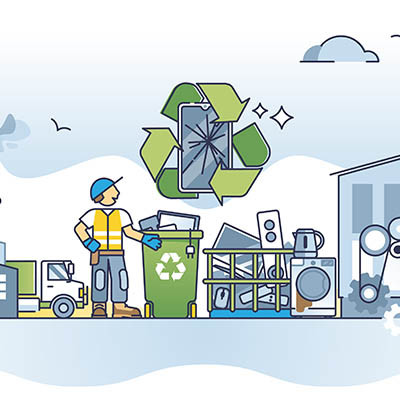
Too many people would answer this question by simply tossing the offending monitor into the trash, even though that would be precisely the wrong move. Let’s go over how to properly dispose of your old technology and review the many reasons it is essential to do so.
Your business lives and dies by its budget, and its IT budget is no different. If you can get your IT budget under control, you can enjoy greater peace of mind and reassurance that your operations are as smooth as possible. Today, we want to look at three of the greatest factors that can contribute to an efficient IT budget: the IT roadmap, minimized downtime, and outsourcing IT. Let’s get to it.
Whether employees like it or not, they bear some sort of responsibility for the technology they use in the office. It’s your job as the business owner to ensure that they get the help they need to both make effective use of the technology and to do so in a way that keeps the business safe. Today, we want to look at three of the ways hiring a managed service provider can help you offer better and more consistent IT assistance for your employees.
When the time comes that you have to make a big decision—one that could have some significant impact on your business, for instance—what does your thought process look like? Do you rely on data, or do you rely on what your gut tells you?
If it’s the latter, you’re literally relying on your least accurate information and hoping that you get the most beneficial outcome. Instead, why not rely on the other, quantitative and confirmed data your business has collected over the years and pair it with the analytical prowess of AI tools?